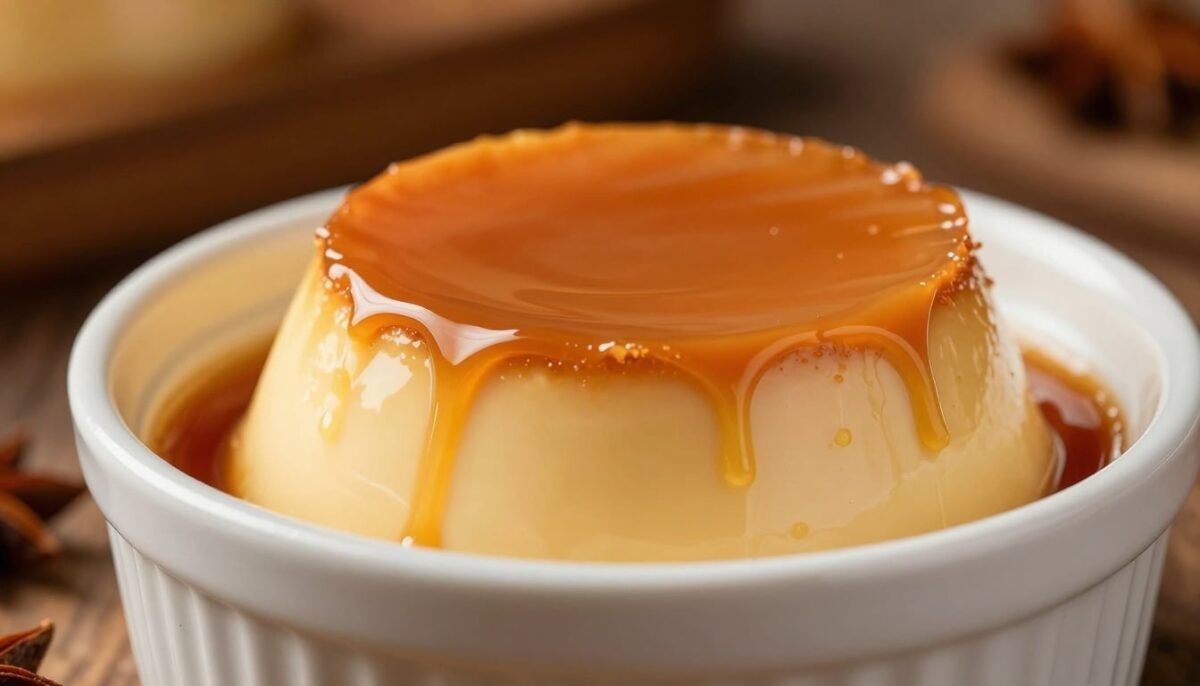

Picture this: you slide a spoon into a just-chilled flan, and it quivers like a gentle wave. The caramel top cracks with a sweet, bitter snap that pulls you right in. This isn’t some fancy treat from a high-end spot—it’s flan, the quiet hero of Latin kitchens that turns everyday moments into something special.
Flan’s spot on Latin tables comes from its easy ingredients that pack big flavour, how it bends to fit tastes from Mexico to Argentina, and its old ties between Europe and the Americas. As a top Latin dessert, this caramel custard shines in homes and restaurants alike.
The Historical Journey: From Roman Roots to Latin Staple
Flan didn’t just pop up in Latin America. Its story starts far away, winding through empires and oceans to become a daily must-have. This path shows how one simple dish can carry so much history.
The Mediterranean Ancestry of Crème Caramel
Egg custards trace back to ancient Rome, where cooks mixed milk and eggs for a smooth pudding. These early versions spread with the empire, landing in Spain and Portugal by the Middle Ages. There, they mixed in caramel—a boiled sugar sauce—for that signature shine.
Spain turned it into crème caramel, a close cousin to today’s flan. Monks in convents perfected it, using local dairy and fresh eggs. The Spanish influence on Latin desserts runs deep; they carried this know-how on ships to the colonies.
Think of it like a family recipe that travels. By the 1500s, crème caramel history was set in Europe, but it was primed for a new life across the sea.
Crossing the Atlantic: Flan Arrives in the New World
Colonisers brought flan recipes to the Caribbean and Latin America in the 16th century. At first, they used what was on hand—goat milk or basic sugar from plantations. But locals soon swapped in fresh finds like tropical fruits.
In Mexico, early cookbooks from the 1800s note flan tweaks with corn or native spices. Cuba saw it blend with African and Indigenous ways, making it denser. Trade routes helped too; sugar cane booms in Brazil and the islands fed the dessert’s rise.
This shift made Flan a New World star. No longer just European, it soaked up local vibes. Today, that mix defines its pull in Latin kitchens.
The Art of Simplicity: Anatomy of a Perfect Flan
What makes flan so tough yet fun to make? It’s all in the basics—no gadgets needed, just patience. This section breaks down why its pure parts create magic.
The Essential Trio: Eggs, Milk, and Sugar
Eggs hold everything together through emulsification, giving that silky wobble. Use fresh, large ones for the best rise and set. Milk adds creaminess; whole milk works for light flan, but try condensed for a thicker bite.
Sugar sweetens without overpowering. It melts into the custard and caramel base. For a traditional flan recipe, beat eggs gently to avoid bubbles that ruin the smooth top.
Quick tip: Pick evaporated milk over regular for denser results in Caribbean styles. It cuts water content, so your flan firms up nicely. Experiment at home—you’ll see why these three rules.
- Eggs: Bind and set the custard.
- Milk: Brings moisture and richness.
- Sugar: Balances with gentle sweetness.
Master this trio, and you’re set for any variation.
Mastering the Caramel: The Sweet and Bitter Balance
Caramel is flan’s crown jewel. Cook sugar until it turns amber—too soon, it’s grainy; too long, it burns bitter. Wet methods add water for even melt; dry skips it for quick results.
Latin chefs swear by the wet way in home kitchens. Stir slowly over medium heat. Aim for 350°F to hit that perfect toffee note without scorching.
Renowned Mexican chef Fany Gerson once said, “Caramel’s about trust—watch it like a hawk.” Her words ring true; a good caramel elevates plain custard to art. Practice once, and you’ll nail the balance every time.
Don’t fear the flip onto a plate. That river of sauce? Pure joy.
Regional Revelations: Flan’s Diverse Personalities Across Latin America
Flan changes with the land. From creamy islands to spice-kissed highlands, it grabs local flavours. This keeps it fresh for searches like Cuban flan recipe or flan de queso.
The Creamy Density of Flan Cubano and Puerto Rican Flan
In Cuba and Puerto Rico, flan gets bold with condensed milk and cream cheese. This mix makes it firm yet lush, like a cheesecake hug. Bake it slow for that eggy depth.
Families there add rum or vanilla for a kick. The result? A slice that stands tall on any plate. For a Cuban flan recipe, blend in queso crema—it’s the secret to that extra richness.
Puerto Rican versions often top it with meringue. Sweet clouds meet sticky caramel. No wonder it’s a hit at beachside spots.
The Delicate Textures of Mexican Flan Napolitano
Mexico flips the script with flan Napolitano—light and airy, baked in a water bath. Cream cheese sneaks in for subtle tang, or try coffee swirls for a mocha twist. Panaderías churn these out daily.
This style nods to Naples but owns Mexican flair. Zest from oranges brightens it up. It’s softer than Caribbean kin, perfect with a café con leche.
Spot it in markets from Guadalajara to Mexico City. One bite, and you get why it’s a national fave.
Exotic Infusions: Coconut, Passion Fruit, and Spices
Coastal spots go wild with coconut milk for a tropical vibe. In Brazil, passion fruit pulp adds tart pop. Spices like cinnamon warm Andean takes.
Home bakers, try steeping lime zest in the milk mix. It lifts the plain base without fuss. These twists keep the flan exciting.
- Coconut flan: Swap milk for coconut—dreamy and dairy-free.
- Passion fruit: Blend pulp into custard for zing.
- Spiced versions: Add nutmeg or clove for cosy depth.
Regional swaps prove flan’s endless charm.
Flan in Celebration: Cultural Significance and Culinary Tradition
Beyond snacks, flan stars at big events. It ties families and marks milestones. The cultural significance of flan makes it timeless.
The Essential Role in Holidays and Feasts
Christmas tables in Latin America wouldn’t feel right without flan. New Year’s feasts pair it with tamales for sweet balance. Baptisms and weddings? It’s the go-to finale.
In restaurants from Miami to Buenos Aires, flan tops order lists—often outselling cakes. Surveys show it’s a top pick among traditional desserts. That says a lot about its pull.
Rhetorical question: What gathering skips this caramel gem? None we know.
The Ritual of Preparation and Sharing
Moms and abuelas pass flan skills like heirlooms. Stirring custard becomes a chat-filled bond. Sharing slices seals the love.
In Cuba, it’s a Sunday must after church. Mexico’s versions spark stories of old recipes. This hands-on way keeps traditions alive.
Next family meal, grab the pan. Make it together—you’ll feel the magic.
Conclusion: The Unshakeable Legacy of Latin Flan
Flan’s success rests on history, simple ingredients, and regional twists. From Roman eggs to Mexican baths, it’s adapted without losing heart. As a classic Latin dessert, it proves that less can be more.
Its ease draws new cooks, while flavours keep fans hooked. Try a traditional flan recipe soon—bake one for your table. You’ll see why it’s the best Latin dessert around.
What’s your favourite flan memory? Share in the comments, or head to your kitchen. This caramel custard waits for you.